
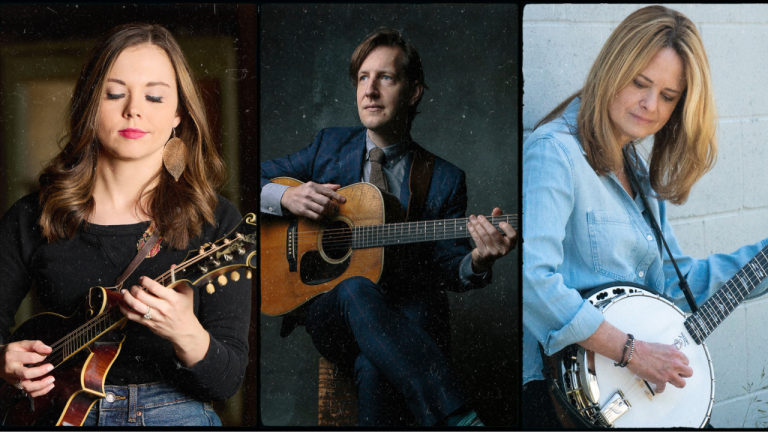
There is a unique magic in the sound of a bluegrass ensemble – a conversation between strings that is as much about community as it is about technical prowess.
If you have ever found yourself tapping your foot to a lightning-fast breakdown and wondered how to join in, you’ve come to the right place. This complete beginner guide to bluegrass instruments is designed to help you navigate the rich landscape of this beloved genre, whether you are trying flatpicking for the first time or transitioning from another musical world. At ArtistWorks, we believe that every journey begins with a solid foundation and the right mentorship to ensure your progress is both steady and musically fulfilling.
Table of Contents
- The Bluegrass Guitar: The Rhythmic Anchor
- The Five-String Banjo: The Engine of Bluegrass
- The Mandolin: Percussion and Melody
- The Bluegrass Fiddle: The Soulful Lead
- The Upright Bass: The Heartbeat
- Used Bluegrass Instrument Price Guide
- The ArtistWorks Advantage: Video Exchange Learning
The Bluegrass Guitar: The Rhythmic Anchor
In a bluegrass band, the guitar serves as the glue that holds the group together. A key technique to focus on as a bluegrass beginner is learning the essential “boom-chuck” rhythm – the alternating bass note and strum that defines the genre’s drive. Take notes from our very own Bryan Sutton:
Other Essential Techniques
- Flatpicking: Unlike fingerstyle or classical guitar, bluegrass utilizes a heavy plectrum (flatpick) to achieve a bright, projecting tone.
- The G-Run: This iconic melodic fill signals the end of a phrase and keeps the band in time.
? Common Mistake: Many beginners play too loudly during others’ solos. Remember, bluegrass is a conversation; learn to “back off” your volume when the mandolin or fiddle takes the lead.
Learn From These ArtistWorks Bluegrass Guitar Instructors:
Bluegrass Guitar With Bryan Sutton
Bluegrass Guitar With Chris Eldridge
Flatpicking Guitar Academy With Tyler Grant
Resophonic Guitar & Lap Steel With Andy Hall
The Five-String Banjo: The Engine of Bluegrass
If the guitar is the anchor, the banjo is the engine. For beginner bluegrass banjo players, we recommend learning about the “Scruggs Style”: a three-finger picking technique using metal fingerpicks and a plastic thumbpick. This style creates the driving, syncopated rolls that are the hallmark of the genre. Learn more about this style in this video from Tony Trischka:
Learning with an ArtistWorks instructor ensures you don’t develop bad habits in your hand positioning. To get started, we recommend exploring the easiest bluegrass banjo songs to learn first to build your confidence and muscle memory.
Learn From These ArtistWorks Bluegrass Banjo Instructors:
The Mandolin: Percussion and Melody
The mandolin is unique because it serves a dual purpose. High and piercing, it can cut through a loud band for a solo, but its most important job is the “chop.” This beginner bluegrass mandolin guide introduces you to the percussive backbeat that acts as the “snare drum” of the bluegrass world.
Start by mastering essential mandolin chords to participate in your first local jam session. Get some extra guidance from Mike Marshall on bluegrass chop chords this video:
Learn From These ArtistWorks Bluegrass Mandolin Instructors:
Bluegrass Mandolin With Sierra Hull
The Bluegrass Fiddle: The Soulful Lead
Unlike classical violin, fiddle focuses heavily on “double stops” (playing two strings at once) and rhythmic bowing patterns like the “shuffle.”
Our faculty also emphasize the importance of intonation and “the lean”–the subtle way a fiddler slides into notes to create that authentic Appalachian sound.
Here’s a preview on what you can learn from one of our esteemed fiddle instructors, Brittany Haas:
Learn From These ArtistWorks Bluegrass Fiddle Instructors:
Old Time & Bluegrass Fiddle with Brittany Haas
The Upright Bass: The Heartbeat
The upright bass is essential to the bluegrass sound. It provides the deep, resonant pulse that dictates the tempo. For beginner bluegrass bassists, we focus on the “1 and 5” pattern–playing the root and fifth of the chord to support the melody. To dive deeper, check out our beginner’s guide to bluegrass bass.
Want some more practice? Check out this lesson on walking bluegrass lines from our resident Bluegrass Bass instructor, Missy Raines:
Used Bluegrass Instrument Price Guide
Entering the world of bluegrass doesn’t have to break the bank, but quality matters for playability. Here is a general used bluegrass instrument price guide for entry-level, “jam-ready” instruments:
| Instrument | Fair Used Price (USD) | Key Feature to Look For |
|---|---|---|
| Acoustic Guitar | $400 – $800 | Solid Spruce Top |
| 5-String Banjo | $350 – $700 | Geared 5th String Tuner |
| Mandolin | $300 – $600 | Adjustable Bridge |
| Fiddle | $250 – $500 | Quality Ebony Fingerboard |
Why This Complete Bluegrass Instrument Beginner Guide Leads to ArtistWorks
Reading about instruments is the first step, but music is an auditory and physical art. This is where Video Exchange Learning® changes everything. Unlike confusing and unorganized YouTube tutorials, ArtistWorks provides a structured path where you can record a video of your practice and send it to your teacher. Whether you are working on your banjo rolls or mandolin chops, your instructor will review your video and provide a personalized video response, offering the personal guidance necessary to refine your technique.
Conclusion
Choosing your first instrument is the beginning of a lifelong musical conversation. We hope this complete beginner guide to bluegrass instruments has helped you identify which voice resonates most with you. Whether it’s the drive of the banjo or the soul of the fiddle, the most important step is to start with the right support.
Ready to take the next step in your musical journey? Start a free trial at ArtistWorks today and experience the difference that world-class, personal guidance can make in your playing.